






Skip to content

Charity tech —built to save lives

We fund urgent medical treatment for children whose families can't afford it, and show you exactly what your donation did

Save a Life

5182

Saved lives

$ 237

Avg. cost of saving a life

No one should die because they can’t afford a few hundred dollars

These simple words define our mission

Every day, children across the world lose their lives to fully treatable conditions such as malaria or appendicitis — simply because their families can’t afford a few-hundred-dollar medical bill.

Helpster funds urgent, life-saving medical treatment for children up to 21 and pregnant women in countries with no free healthcare system, so that no one’s chances of survival depend on where they are born.

Our mission this year

10000

saved lives

5182

Average cost of saving child’s life

237

USD

As seen on

Platinum Transparency 2026, CandidLondon Loves BusinessLondon Daily News
Tech for GoodTechRoundDevex

TRANSPARENCY

100% of every donation is used to pay hospital bills.
Here’s how it works:

  1. Case Verification

    Each case is verified in person. Our team visits the family at home, gathers medical records directly from the hospital, and confirms both the diagnosis and the family’s financial need.

  2. Paying Hospitals

    Funds are transferred directly to our trusted local hospitals as payment for a specific child’s medical bill. Funds never pass through the patient’s family, and every transaction is fully trackable.

  3. Donor updates & accountability

    Donors get real-time updates on the cases they supported — invoices, medical records, treatment progress and outcomes, and messages from the family and doctors.

Discover the full process

All donations
are fully trackable

Full donation tracking

Your donation covers medical treatment for a child you chose — or is automatically assigned to one of the most urgent cases. You can track the impact of every donated $1 in our database or mobile app.

Real-time report for each case

You get real-time access to full case documentation: medical records, hospital invoices, payment confirmations, treatment progress and outcome.

No overhead costs

We use 100% of every donation we receive to pay medical bills. Helpster’s operating costs are funded separately through a dedicated pool of private donors.

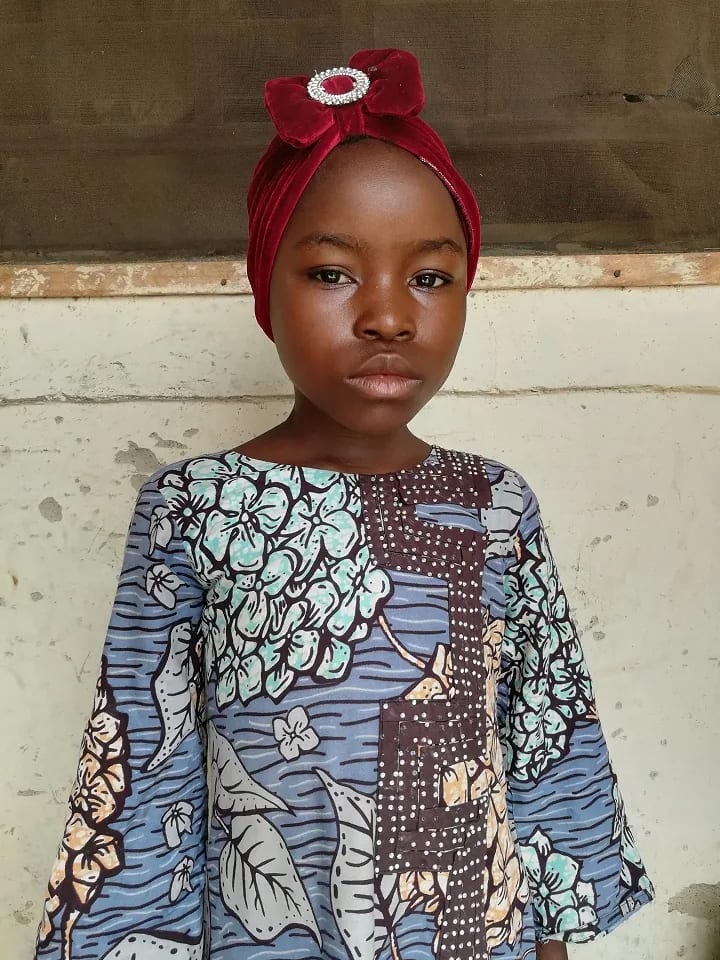
Habiba I., 9 — Nigeria

Habiba I., 9

Nigeria

Infections

$40/$40
100% funded

Habiba is 9 years old, she has 8 siblings. They're all living with their parents. Habiba attends a free government primary school, she wishes to become a business woman. The father does not have a job at the moment, the mother is doing her best in terms of doing a petty trading to provide for the family. They live in a 3 rooms apartment, during raining season, they use buckets to prevent water from dripping down from the roof, the environment is full of grasses and water logged roads. Habiba woke up one and started having headache, making her stay out of school, she vomited twice, the mother gave her paracetamol to take but no improvement in her health. They were informed about Helpster Charity from a family friend, they came to WholeCare Clinic where she was presented with complaint of fever that is associated with joint pains and malaise. Febrile with temperature of 38.2°C, not dehydrated. Malaria tested positive. She was prescribed with some medications accordingly.

Halima M., 3 — Nigeria

Halima M., 3

Nigeria

Emergency care

$0/$135
0% funded

Three-year-old Halima lives with her grandmother in Gashua. Her grandmother is a farmer earning about ₦4,000, which is used to provide food and meet their basic needs. Despite limited resources, she does her best to care for Halima. Halima was brought to the hospital seriously ill and diagnosed with severe cerebral malaria, a life-threatening form of malaria affecting the brain. She presented with high fever, severe weakness, reduced responsiveness, and episodes of convulsions. Her condition required urgent medical attention and close monitoring, as cerebral malaria can progress rapidly and cause unconsciousness, breathing difficulties, severe anaemia, low blood sugar, and other serious complications. Timely treatment was essential to control the infection, manage complications, and give Halima the best chance of recovery.

Md. M., 1 — Bangladesh

Md. M., 1

Bangladesh

Infections

$0/$130
0% funded

Md. Mahim is a 7-month-old cheerful infant who was previously well until he developed high fever for four days, leaving his mother, Mariyam, worried about his sudden change in condition. His father, Miraj Rari, is the sole earning member of the six-member family and works as a day laborer, earning only approximately USD 66–74 per month, which must support Mahim, his mother, younger sister, and grandparents. With such limited income, the family struggles to meet their daily needs and cannot afford the hospital and treatment expenses required for Mahim. He was diagnosed with typhoid fever during a seasonal outbreak in an area affected by shared toilets, poor hygiene, and limited access to safe drinking water; without timely treatment, the infection could worsen and lead to serious, potentially life-threatening complications in such a young infant. The family learned about Helpster Charity through miking, giving them hope of obtaining the medical care Mahim needs.

Minha J., 1 — Bangladesh

Minha J., 1

Bangladesh

Pulmonology

$0/$85
0% funded

Minha Jannath is a 10-month-old girl from a financially disadvantaged family of five. Her father, Suhel Ahmed (23), works as an auto-rickshaw driver and earns approximately USD 49 per month, which is barely enough to meet their basic needs, making her medical expenses unaffordable. She developed constipation for three days and was diagnosed with sub-acute intestinal obstruction with oral candidiasis. She was referred from Seba Hospital for further management, and the family learned about Helpster Charity through a local community member. Minha previously received support under Helpster ID 8061; without timely treatment, her intestinal obstruction could worsen and lead to serious complications.

Ariba Akter S., 1 — Bangladesh

Ariba Akter S., 1

Bangladesh

Infections

$0/$185
0% funded

Ariba Akter Shifa is a 50-day-old infant who developed high fever, acute respiratory distress, and severe itching with rashes, requiring urgent medical care. Her father is physically disabled and unable to earn, while her mother, grandmother, and chronically ill grandfather also cannot contribute to the family income; the entire six-member household depends on her uncle, who earns only approximately USD 86 per month working at a scrap shop. With this very limited income and the family’s other household expenses, they cannot afford Ariba’s hospital treatment and medicines. Doctors diagnosed her with pneumonia and infected scabies, and without timely treatment, worsening respiratory distress and infection could lead to serious complications and potentially become life-threatening in such a young infant. The family learned about Helpster Charity through a Medical Officer at Deshbangla Hospital; Ariba’s mother had previously received free treatment through Helpster under Helpster ID 7039.

Khadija B., 7 — Nigeria

Khadija B., 7

Nigeria

Emergency care

$0/$155
0% funded

Seven-year-old Khadija is the second child in her family and lives in Gashua with her grandmother following the loss of her mother. Her father, Musa, works as a shoe shiner and earns about ₦4,300, making it difficult to meet the family’s basic needs. Khadija and her grandmother live in a small single-room house and struggle financially. Khadija was admitted to the hospital with severe malaria complicated by anaemia. She presented with high fever, weakness, poor appetite, dizziness, and marked tiredness. She was assessed and closely monitored and received parenteral artesunate and supportive care. Her haemoglobin level, vital signs, hydration, consciousness, and response to treatment were monitored, while the anaemia was managed according to its severity. Timely treatment was essential to prevent serious complications and support her recovery.

Torun B., 1 — Bangladesh

Torun B., 1

Bangladesh

Pulmonology

$0/$130
0% funded

Torun Barmon is a 3-day-old cheerful and lovable baby boy and the first child of Ashes Barmon and his wife. He lives with his parents and grandparents in a five-member family, while his father is the only earning member and works as a day laborer to support the household. Torun developed high-grade fever, cough, cold, restlessness, and poor feeding and was admitted to City Clinic, where he was diagnosed with pneumonia. With the family already struggling to meet their basic needs, they cannot afford the ongoing cost of his medical treatment, while his grandparents are unable to work due to their age. Without timely treatment, his condition could worsen and cause serious breathing and feeding difficulties; the family learned about Helpster Charity through Sadika Rahman and is seeking support for his recovery.

Travian T., 1 — Kenya

Travian T., 1

Kenya

Infections

$0/$100
0% funded

Travian is a 10-month-old boy and the firstborn in his family. He lives with his mother in Bungoma but frequently returns to their rural home near Opar Shopping Centre due to the family's financial difficulties. His mother explained that both parents lack stable employment and depend on occasional casual jobs. At times, they have no food and go hungry. When in the village, they stay with Travian's grandmother and cousins. His grandmother, a peasant farmer, is the family's main source of support and relies on farm produce to feed the household. Travian became unwell two days before admission, developing recurrent high fever, frequent diarrhoea, vomiting, cough and refusal to feed. Paracetamol temporarily reduced the fever, but his condition progressively worsened. By the time he arrived at the hospital, he appeared very ill, weak and had difficulty breathing, requiring prompt medical attention. Travian's mother learnt about Helpster from a relative she was staying with, who advised her to bring the child to the hospital when his condition deteriorated.

Morine A., 12 — Kenya

Morine A., 12

Kenya

Digestion system

$0/$165
0% funded

Morine is a 12-year-old girl with special needs who comes from a financially disadvantaged family. Her parents separated when she was young, leaving her mother to care for Morine and her three siblings with very limited resources. Due to poverty, Morine has never had the opportunity to attend a special school suited to her needs. She is unable to speak and has developmental challenges, although she can perform several daily activities independently. Morine was brought to the facility by her mother, accompanied by a Community Health Promoter who knew about Helpster Charity. On presentation, she was visibly ill, weak and vomiting. For two days, she had been unable to feed normally and experienced persistent fever, chills, headache, dizziness and marked general body weakness. Her mother reported a significant change from her usual activity and behaviour. Clinical assessment and investigations confirmed severe malaria with gastritis. Given her poor oral intake, vomiting and significant systemic illness, she was admitted for urgent treatment, hydration and close monitoring.

Usman U., 1 — Nigeria

Usman U., 1

Nigeria

Infections

$0/$175
0% funded

One-year-old Usman Umar lives with his parents and seven siblings in a two-bedroom rented apartment. His father is a farmer who travels to other LGAs for work, while his mother is a homemaker. The family earns about ₦30,000 monthly, which barely covers food, water, and other basic needs. They also have no electricity at home, making daily life and schooling difficult for the children. Usman presented with four days of high-grade fever, frequent watery diarrhoea, cough, fast breathing, and poor feeding. He had experienced fever two weeks earlier and received incomplete treatment at home. Following medical assessment, he was diagnosed with severe malaria, acute watery diarrhoea with moderate dehydration, bronchopneumonia, and moderate anaemia. He requires prompt treatment and close monitoring to prevent serious complications.

Mark W., 2 — Kenya

Mark W., 2

Kenya

Infections

$0/$80
0% funded

Mark is the third-born in a family of five children. He lives with both parents and his siblings in a modest three-roomed mud-walled house without electricity. Both parents are peasant farmers who depend on small farm produce to provide food and meet the family's basic needs, making unexpected medical expenses difficult to manage. Mark's mother reported that he developed intermittent high fever accompanied by diarrhoea, repeated vomiting, poor appetite and refusal to feed. As his illness progressed, he became increasingly weak, irritable and less active than usual. He struggled to tolerate feeds and fluids, raising concern about dehydration and further deterioration. His mother initially gave him paracetamol syrup available at home, but his symptoms persisted and the fever became increasingly high. When his condition continued to worsen despite the medication, she became concerned and brought him to the hospital for proper assessment and treatment. The family had previously heard about Helpster Charity from a neighbour whose child's treatment at the same facility had been supported by the organization.

Hussaini K., 3 — Nigeria

Hussaini K., 3

Nigeria

Infections

$0/$140
0% funded

Three-year-old Hussaini Kabiru, a twin and the last of 12 children, lives with his parents and siblings in a single-room rented apartment costing ₦60,000 annually. His father sells onions on a small scale, while his mother sews caps. Together, they earn about ₦30,000 monthly, which is barely enough to meet the needs of their large family. They rely on a community borehole for water, and the children attend a local Islamiyya school. Hussaini presented with three days of high-grade fever with chills and three episodes of generalized convulsions, each lasting about two minutes with loss of consciousness. He also had frequent watery diarrhoea, vomiting, poor feeding, and excessive drowsiness. There was no history of trauma, cough, or difficulty breathing. He requires urgent medical care and close monitoring to prevent serious complications.

Suleiman B., 5 — Nigeria

Suleiman B., 5

Nigeria

Emergency care

$0/$155
0% funded

Suleiman is a 5-year-old boy from Amshi Village who has faced significant hardship from a young age. He lost his mother to illness and now lives under the care of his aunt. His father works as a Fadama farmer, earning approximately ₦5,000, which is barely enough to support the family’s basic needs. They live in a modest single-room mud house and struggle financially to meet everyday expenses, including healthcare. Despite these challenges, Suleiman has a strong ambition to become a doctor when he grows up so that he can help save vulnerable lives and support children and families facing difficulties like his own. His illness placed an additional financial burden on the family, making access to charitable medical support especially important.

Muhammad A., 13 — Nigeria

Muhammad A., 13

Nigeria

Emergency care

$0/$190
0% funded

Fifteen-year-old Muhammad is the firstborn of three children, a hardworking, ambitious boy from Gashua who dreams of becoming a soldier. His parents are petty traders earning about 5,000 naira together, barely enough for the family's basic needs in their modest two-bedroom home. Muhammad was admitted with severe malaria complicated by acute kidney injury, burning with high fever, severely weak, and passing dangerously little urine as his kidneys strained. Doctors stabilized him promptly with intravenous artesunate and carefully managed fluids to protect his kidneys, monitoring his kidney function, urine output, and blood pressure closely. Gradually, Muhammad fought back: his fever broke, his strength and appetite returned, and his kidneys recovered without further deterioration. He was discharged in stable condition, with follow-up planned to recheck his kidney function.

Ibrahim A., 4 — Nigeria

Ibrahim A., 4

Nigeria

Emergency care

$0/$155
0% funded

Four-year-old Ibrahim is the only son of his parents, living in a modest single-room mud house in Amshi Village. His father is a subsistence farmer and his mother sells yam from home, earning about 2,000 naira, an income that can barely meet the family's basic needs, let alone hospital bills. Ibrahim was brought to the hospital with severe malaria complicated by anaemia, burning with high fever, severely weak, feeding poorly, and barely active. In dire need of urgent treatment to prevent dangerous complications.

Paul Otieno O., 1 — Kenya

Paul Otieno O., 1

Kenya

Emergency care

$0/$200
0% funded

Paul is the younger of two children and lives with his parents and older sister in a two-room rented house costing KES 500 per month. Both parents left school before completing their education; his father reached Class Six and his mother Form Three. They depend on irregular casual labour to meet the family’s basic needs. About two months ago, his mother noticed significant weight loss, recurrent fever, poor appetite and delayed development compared with his older sibling, who had begun crawling at the expected age. Concerned about his health and growth, she took him to Nyang’oma Dispensary, where he was assessed and referred to Siaya County Referral Hospital for further evaluation and management. His mother also reported that Paul received only the vaccines given at birth and has missed subsequent routine immunizations. She attributed this to the long distance to the nearest health facility and financial difficulties, which sometimes leave the family without money for transport to attend scheduled clinic visits.

Sunaina A., 6 — Bangladesh

Sunaina A., 6

Bangladesh

Digestion system

$0/$95
0% funded

Sunaina Akter is a cheerful 6-year-old Grade One student who was previously healthy but suddenly developed frequent loose, watery stools and abdominal pain. She lives with her five-member family, while her father is the sole earning member and works as a day laborer, earning approximately USD 65–73 per month, which is barely enough to cover their daily household expenses and medical costs. The family informed about Helpster Charity through volunteer Abdur Rahman and sought support because they could not afford the treatment required for Sunaina. After medical evaluation and investigations, she was diagnosed with acute watery diarrhea and required hospital-based treatment. Without timely treatment, continued diarrhea could cause severe dehydration and electrolyte imbalance, which may rapidly worsen her condition and become life-threatening, especially at her young age.

Ibrahim A., 12 — Nigeria

Ibrahim A., 12

Nigeria

Infections

$0/$140
0% funded

Twelve-year-old Ibrahim Adam Dawud is the youngest of five children, a curious, innovative boy in Primary 5 at a government school who loves creating things and dreams of becoming an engineer. His father is a painter and his mother a retired primary school teacher, and their 35,000 naira monthly income cannot stretch far; home has no electricity, and the family buys water daily. For two weeks, Ibrahim battled colicky pain in his lower right abdomen and flank, radiating to his groin. Passing urine became painful, frequent, and urgent, and three times he passed visible blood. For four days, fever with chills and nausea followed. Brought to the hospital for the first time, he was diagnosed with a urinary tract infection needing prompt treatment.

Euniva Y., 12 — Kenya

Euniva Y., 12

Kenya

Pulmonology

$0/$155
0% funded

Yuvanca is a 12-year-old Grade Five pupil and the eldest of four children. She currently lives with her grandmother in the village, while her mother works in town doing domestic and other casual jobs to support the children and grandparents. Her grandmother also undertakes occasional farm work for neighbours to supplement the household’s limited income. Yuvanca enjoys playing with friends and participating in athletics. She dreams of becoming a doctor so she can help others facing health challenges. Two days before presentation, Yuvanca’s health deteriorated significantly. She developed persistent headache, cough, cold symptoms, chest pain and increasing difficulty breathing. She became markedly weak, exhausted and less active, with poor appetite and difficulty carrying out her usual activities. Her breathing became increasingly uncomfortable, leaving her visibly distressed and unable to play normally. After receiving information about Helpster Charity from a facility coordinator, her family brought her for assessment. She appeared sick-looking, weak and tired and was diagnosed with pneumonia, requiring immediate admission for treatment and close monitoring.

Md. M., 13 — Bangladesh

Md. M., 13

Bangladesh

Infections

$0/$160
0% funded

Md. Muin is a 13-year-old boy who was previously well and active until he developed high fever, severe body ache, and cough, which gradually made him seriously unwell and concerned his family. His father, Forkan Kha, is the sole earning member of the four-member family and works as a day laborer, earning only approximately USD 66–74 per month, which is barely enough to support Muin, his mother, and grandmother. Because of their limited income, the family cannot afford the hospital and treatment expenses required for Muin’s recovery. He was diagnosed with typhoid fever, and without timely treatment, the infection could worsen and lead to serious complications, potentially becoming life-threatening. The family learned about Helpster Charity through miking, giving them hope of receiving the medical support Muin urgently needs.

Wayes R., 1 — Bangladesh

Wayes R., 1

Bangladesh

Pulmonology

$0/$110
0% funded

Wayes Raja is an 8-month-old boy from a highly vulnerable family of three, living without a permanent home and relying on his father, Maksud Alom, who works as a day laborer and earns approximately BDT 6,000 (about USD 49) per month. His parents, Maksud Alom and Masuda Akter, struggle to meet even their daily necessities, leaving them unable to afford the cost of continued hospital care and treatment. Wayes was previously receiving treatment at the Upazila Health Complex, but his rapid breathing, wheezing, chest indrawing, cough, and oxygen deficiency continued to worsen, leading his worried parents to seek further care at New Evercare Hospital, where he was diagnosed with acute bronchiolitis. Without timely and appropriate treatment, his breathing difficulty and oxygen deficiency could become severe, potentially leading to respiratory failure and a life-threatening condition in this young infant. The family learned about Helpster Charity through a leaflet, giving them hope that Wayes can receive the medical care he urgently needs.

Adamu I., 8 — Nigeria

Adamu I., 8

Nigeria

Skin

$0/$85
0% funded

Eight-year-old Adamu is a cheerful boy who dreams of becoming a professional footballer. He lives with his parents and two brothers in a rented apartment. His father is a casual labourer, his mother does domestic chores for neighbours, and their combined 15,000 naira a month cannot even keep the boys in school. Adamu stepped on a sharp object, and the small sore on his left heel turned black, began discharging with a foul smell, and became so painful he can no longer walk on the leg. He has also had a fever for five days. With no money for proper wound care, the infection has grown dangerous, and he now needs urgent treatment.

Adamu K., 5 — Nigeria

Adamu K., 5

Nigeria

Infections

$0/$100
0% funded

Five-year-old Adamu Kabiru is a cheerful, affectionate boy who loves playing with his siblings and chatting with his mother. He is one of 13 children squeezed with their parents into a single rented room. His father sells onions on a small scale and his mother sews caps, together earning about 30,000 naira a month, barely enough to feed such a large household. The children fetch water from a community borehole and, unable to afford formal school, attend the community Islamiyya school. For four days, Adamu battled high fever with chills, bloody diarrhoea five to six times daily, abdominal cramps, and weakness. He arrived at the hospital acutely ill, feverish, dehydrated, and pale. Tests confirmed severe malaria with high parasite density, colitis, and moderate anaemia (PCV 26%).

Beryl A., 12 — Kenya

Beryl A., 12

Kenya

Infections

$0/$120
0% funded

Beryl is the second-born in a family of five children. She is a calm and caring girl who enjoys playing volleyball and reading and dreams of becoming a doctor. She lives with both parents and her siblings in a two-room mud-walled house without electricity. Her mother is a housewife, while her father is the sole breadwinner, depending on irregular casual plumbing jobs to support the family. Beryl began feeling unwell about two days before admission. Initially, her symptoms were mild enough for her to continue attending school, but they progressively worsened. On the day of admission, she developed severe abdominal pain, cough and repeated vomiting, making it difficult to continue her usual activities. She informed her mother, who was occupied with household chores, and Beryl eventually walked to the health facility accompanied by her friends, with her mother joining her later. The family had previously learned about Helpster Charity through a neighbour whose child had received support. Following clinical assessment, Beryl was diagnosed with severe pneumonia and admitted for appropriate inpatient treatment, supportive care and close monitoring.

Baby Esther A., 1 — Kenya

Baby Esther A., 1

Kenya

Diagnostics

$0/$50
0% funded

Baby Esther is the second twin and the youngest of four children. She lives with her parents and siblings in a single-room mud-walled house. Her mother is unemployed, leaving the entire household dependent on her father, who survives through irregular menial jobs. Some days he finds work carrying loads, digging or assisting at construction sites, while on other days he returns home without earning anything. His unpredictable income must provide food, rent, clothing and other necessities for the entire family, leaving no savings for unexpected medical expenses. Esther was born prematurely at 34 weeks’ gestation weighing only 1,200 g, making her a very-low-birth-weight preterm infant at increased risk of serious neonatal complications. Soon after birth, she developed difficulty breathing. She required urgent transfer to the NICU, where she was placed in an incubator for temperature control and received oxygen therapy, infection-prevention measures, feeding support and close monitoring. These interventions were essential to stabilize her breathing and protect her from complications associated with prematurity. With continued specialized neonatal care and good clinical progress,

Lokkhi R., 1 — Bangladesh

Lokkhi R., 1

Bangladesh

Pulmonology

$0/$125
0% funded

Lokkhi Rani is a 2-day-old baby girl whose family hopes to see her grow up healthy and strong. She developed high-grade fever, cough, cold, poor feeding, and restlessness and was admitted to City Clinic, where she received oxygen support and treatment for pneumonia. Her father is the sole earning member and works as a daily laborer, earning only approximately USD 41 per month, while the five-member family lives in a tin-shed house and cannot afford the ongoing medical expenses. Without timely treatment and close medical care, pneumonia in such a young newborn may worsen rapidly and cause severe breathing difficulties and other serious complications. The family learned about Helpster Charity through Sadika Rahman and is seeking support for Lokkhi’s recovery.

Md. A., 5 — Bangladesh

Md. A., 5

Bangladesh

Infections

$0/$140
0% funded

Md. Abdullah is a 5-year-old Grade 1 student who was previously healthy and active before developing high fever and severe cough for seven days. His father, Monir Payda, is the sole earning member of the five-member family and works as a day laborer, earning approximately USD 66–74 per month, which is barely enough to support Abdullah, his mother, elder brother, and grandmother. Due to their limited income, the family cannot afford the hospital and treatment expenses Abdullah needs. He was diagnosed with typhoid fever, a condition endemic in the catchment area, and without timely treatment, the infection may worsen and cause serious complications that can become life-threatening. The family learned about Helpster Charity through the hospital, giving them an opportunity to obtain the medical care Abdullah needs.

Abu S., 12 — Bangladesh

Abu S., 12

Bangladesh

Infections

$0/$170
0% funded

Abu Saleh is a 12-year-old Grade 6 student who was previously healthy, playful, and active before developing fever, cough, respiratory distress, and shortness of breath for four days. He lives with his parents, younger brother Abdullah, and grandmother Mahfuza in a five-member family, while his father, Monir Payda (35), is the sole earning member and works as a day laborer, earning only approximately USD 55–62 per month. With such limited income, the family struggles to meet their daily needs and cannot afford Abu Saleh’s medical expenses. As his breathing became rapid and chest indrawing developed, his mother brought him to Saheda Gafur Ibrahim General Hospital, where he was diagnosed with pneumonia and admitted for better management. Without timely treatment, his breathing difficulty could worsen and lead to severe respiratory complications. The family learned about Helpster Charity through volunteer Abdur Rahman.

Nasri Atieno A., 9 — Kenya

Nasri Atieno A., 9

Kenya

Infections

$0/$160
0% funded

Nasri is the third-born in a family of six children. She is a cheerful and caring girl who enjoys playing netball and singing and dreams of becoming a nun when she grows up. She lives with both parents and her siblings in a two-room mud-walled house without electricity. Both parents are small-scale farmers who depend on selling farm produce to provide for the family, making their income dependent on the availability of produce and market sales. Nasri developed general body weakness, body pains and fever. Her mother initially gave her paracetamol and Flagyl tablets that were available at home, hoping her symptoms would improve. However, her condition continued to deteriorate, with increasing body pains and episodes of vomiting. Concerned by the worsening symptoms and lack of improvement with the medication given at home, her mother brought her to the health facility for further assessment and treatment. The family learned about Helpster Charity through a neighbour whose child had previously received treatment at the same facility with medical costs supported by the organization.

Shanto B., 1 — Bangladesh

Shanto B., 1

Bangladesh

Infections

$0/$110
0% funded

Shanto Barmon is a 2-day-old newborn from a family of four whose father, Shadhin Barmon, is the sole earning member and earns only approximately USD 41 per month through daily work. With such limited income, the family struggles to meet basic household needs, leaving them unable to afford the urgent medical care required for their newborn. Although Shanto was healthy at birth, he soon developed frequent watery diarrhea, fever, vomiting, poor feeding, dry mouth, lethargy, and progressive dehydration, requiring emergency hospital treatment. As a newborn, severe dehydration can worsen rapidly and may lead to electrolyte imbalance, shock, and other life-threatening complications if treatment is delayed. The family learned about Helpster Charity through volunteer Sadika Rahman, giving them an opportunity to seek timely care for Shanto.

$237Average cost of 1 life‑saving treatment

Take action and impact as many lives as you can.
Any donation amount contributes to saving a child’s life.

Stay Updated

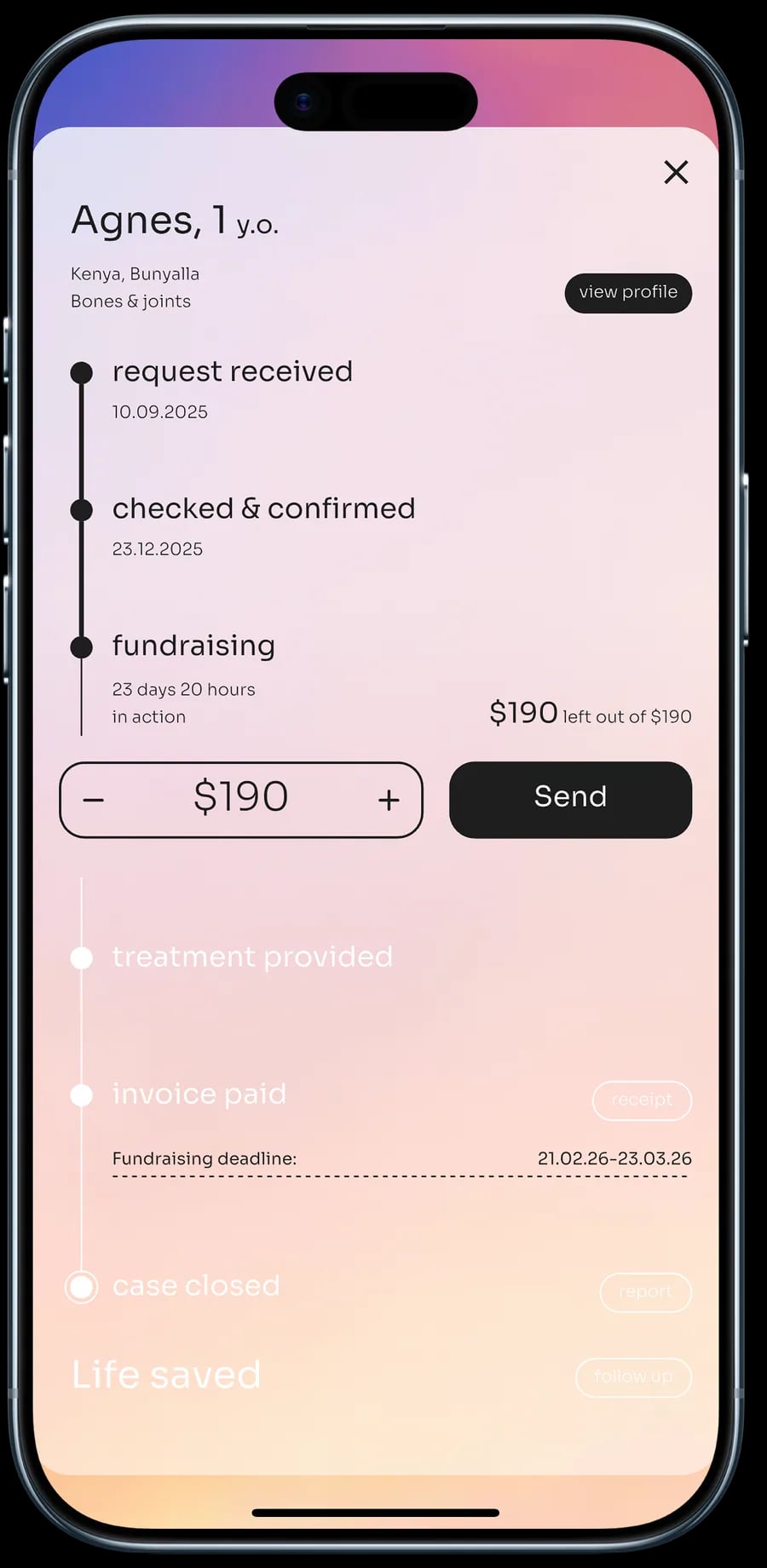
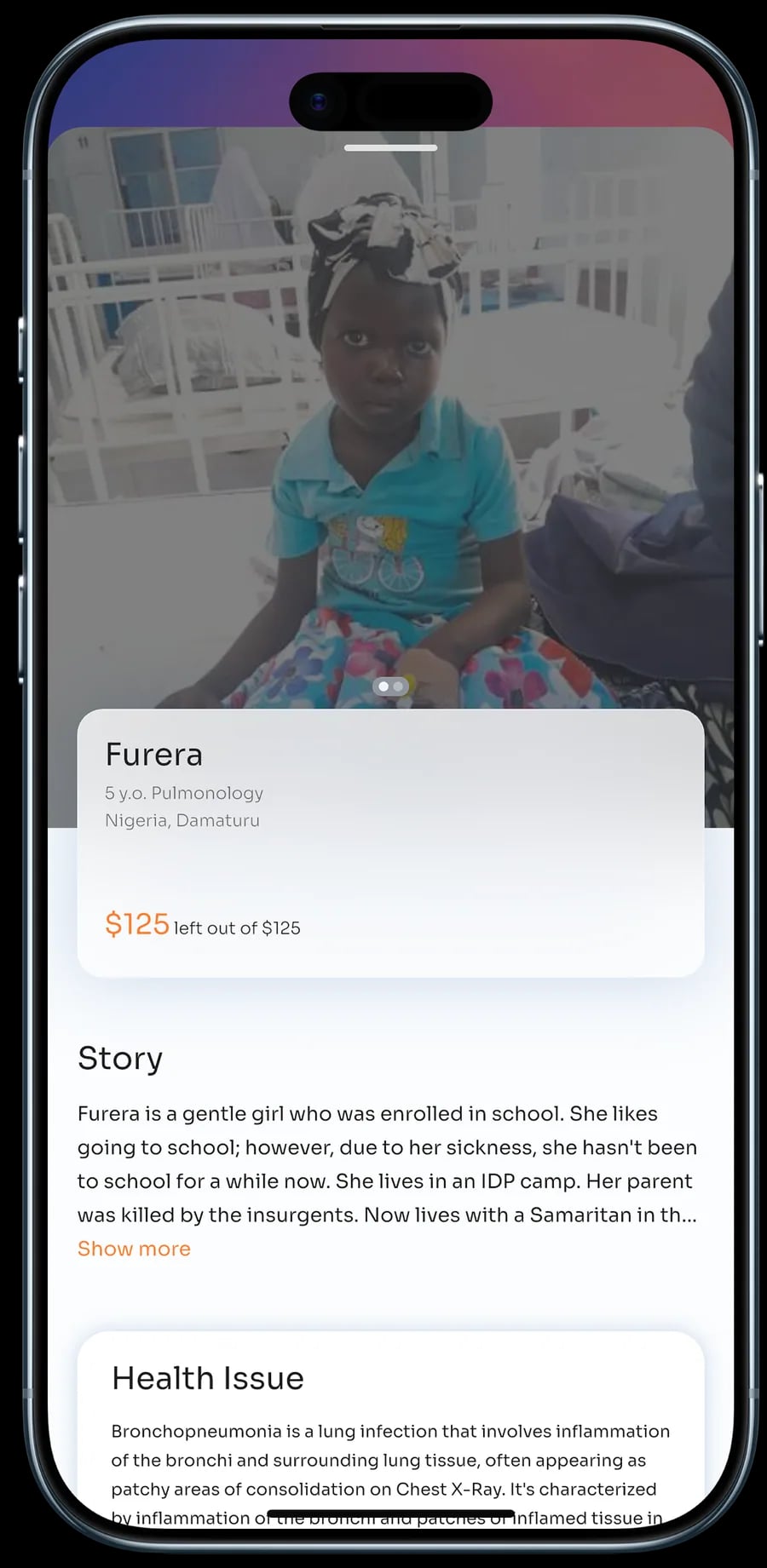
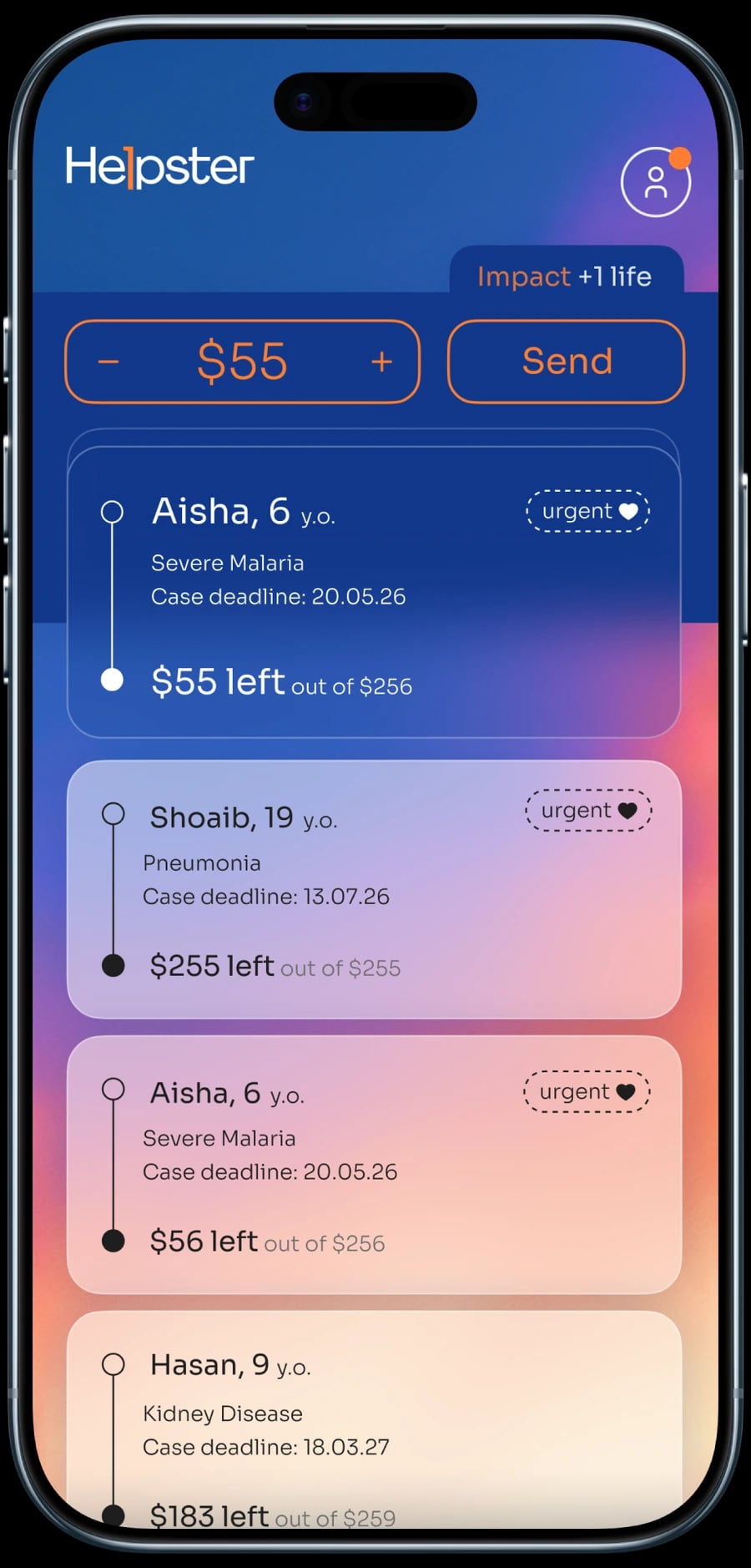
We designed Helpster Mobile App to help you track the real impact of your donations. See exactly where your money went, and get real-time updates about the cases you supported.

The Helpster mobile app gives you access to features not available on our website:

  • Track your donation history
  • Donate to a specific child’s case
  • Access each case’s full medical records and treatment progress
  • Receive messages from doctors and the child’s family once treatment is complete
Helpster app screen mockup
Download on the App StoreGet it on Google Play

See our work in action

News

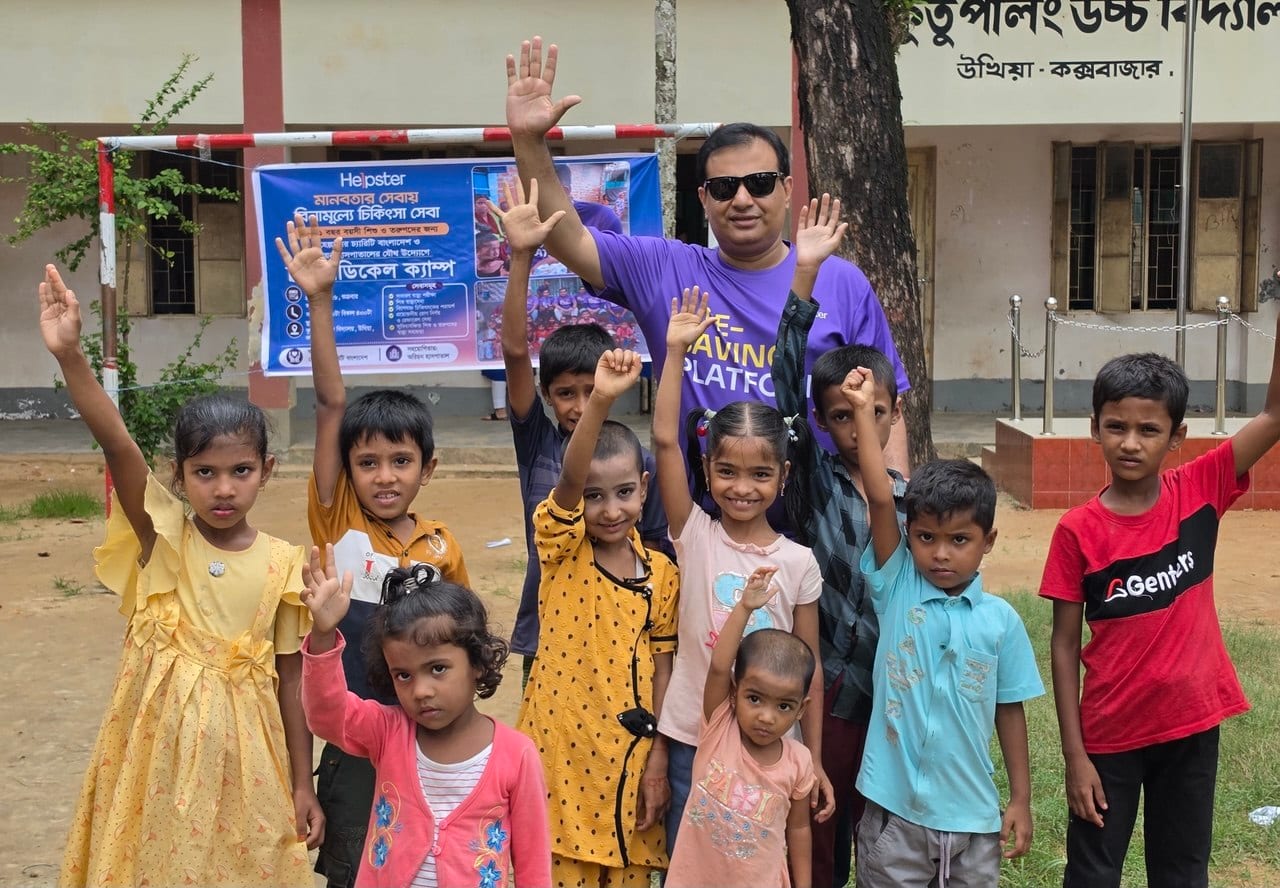
Join us as a volunteer

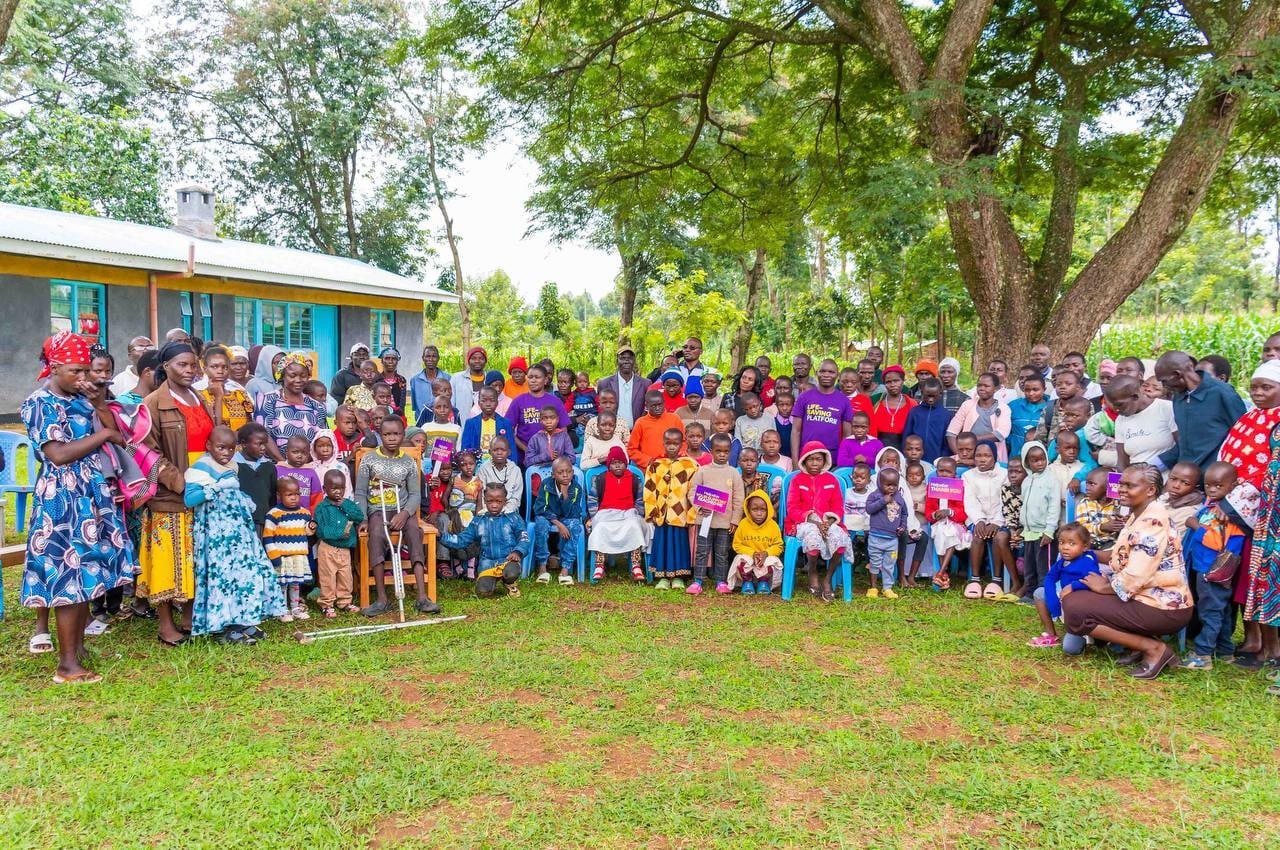
We’re inviting volunteers from Kenya, Nigeria, and Bangladesh to join our team and become our eyes and hands on the ground – making a real difference in children’s lives.
You’ll identify patients who need help the most, gather information for case verification, keep contact with hospitals and families, and monitor treatment progress.

Submit an application
Volunteers helping children in a hospital
Helpster volunteer team

Frequently Asked Questions

What is Helpster, and what's your mission?

Helpster is a charity tech built to save lives. We fund urgent, life‑saving medical treatment for children up to 21 and pregnant women from low‑income families in countries without free healthcare.

We believe no one should die because they can't afford a few‑hundred‑dollar medical bill. So our mission is to make vital healthcare accessible to every child — no matter where they were born.

Who is behind Helpster, and who runs it?

Helpster was founded in 2022 by a team whose experience spans two very different worlds: building IT‑startups and working within the charity sector. Its founder and driving force is Nikita Kuzmin, a serial tech entrepreneur, mentor, and investor.

The organization is led by CEO Kate Lysykh, who has spent the past decade building technology startups from the ground up. In each country where Helpster operates, our work is led by a certified, highly experienced doctor with a strong background in public health.

You can read more about the team behind Helpster here.

How is Helpster different from large, established charities?

Most large charities offer little way of knowing where your money actually went, or whether it made any real difference.

That's because they pool donations into general funds and report impact in aggregate, usually once a year. The result is that you never quite feel you've done something meaningful — and that can be quietly discouraging. We know this feeling very well.

Helpster works case by case. Your donation goes straight to the hospital bill of a specific child, and you can track exactly where it went in real time, down to the medical records, invoices, and treatment outcome.

So you know your money saved a life — not that it covered catering for a strategy offsite, or paid for someone's corporate car.

Why is Helpster «a charity tech», and what's so technological about it?

Helpster is built as an IT-platform, with an algorithm at its core — designed to deliver full transparency and maximum efficiency based on real numbers. Three principles define how we work:

Radical transparency. Every donor can see exactly where their money goes in real time, with access to the medical records and updates for every case in our database — from diagnoses and invoices to treatment outcomes. We offer a live, open record, where most charities send a PDF presentation at the end of the year at best.

Algorithm‑powered precision. The technology Helpster is built on removes the weak points of traditional charities: human bias, delays, and bureaucracy. We don't choose who gets help first — the algorithm ranks cases by urgency. It also helps our medical team to verify cases and detect potential fraud faster and more reliably than a manual process ever could.

Operational efficiency. Technology also means we don't need a large staff to run at scale — just a small, highly efficient team. That's how we keep our operating costs at an industry-low level.

Which countries does Helpster operate in, and why?

We currently operate in Kenya, Nigeria, and Bangladesh. These are countries with high child mortality from treatable conditions, no universal free healthcare, and large populations of families who cannot afford even low-cost treatment. This is where a relatively small amount of funding makes the greatest life‑saving difference.

These countries also have a strong base of active local NGOs and hospitals that we trust. It allowed us to build a reliable partner network and verification infrastructure our model depends on.

Who does Helpster help?

We help children up to 21 and pregnant women from low‑income families in countries with no free healthcare system. To qualify for Helpster's funding, a case has to meet two criteria:

Medical urgency. The condition must be life-threatening, or the treatment must significantly improve the person's quality of life — for example, restoring their eyesight.

Poverty level. The family must have no means to cover the treatment cost themselves. We run every case through a dedicated scoring system to verify this (see how we verify cases).

What medical conditions does Helpster fund — and which ones does it not?

Our focus is deliberate and precise: life-threatening conditions where treatment is simple and effective, the hospital is ready to provide it, but the family simply can't afford it.

The cases we fund most often are malaria, pneumonia, typhoid fever, appendicitis, pregnancy complications, and similar conditions — you can see the full range of diagnoses in our patient database.

We also take on cases with no immediate danger to life, where treatment can meaningfully change a child's quality of life — restoring their eyesight, for instance.

What we don't fund:

Treatment for conditions that aren't life-threatening and don't significantly affect quality of life

Treatment priced above the regional average

Complex, high‑tech treatment costing over $3,000

Cases lacking proper medical documentation

Treatment for children whose families don't meet our poverty criteria

How do you verify that a case is real and not fraud?

Preventing fraud is one of our top priorities, and something we're quite good at. Every case goes through a multi‑step verification process that combines manual review by our team with an automated check run by our AI‑powered anti‑fraud algorithm. Here's how it works:

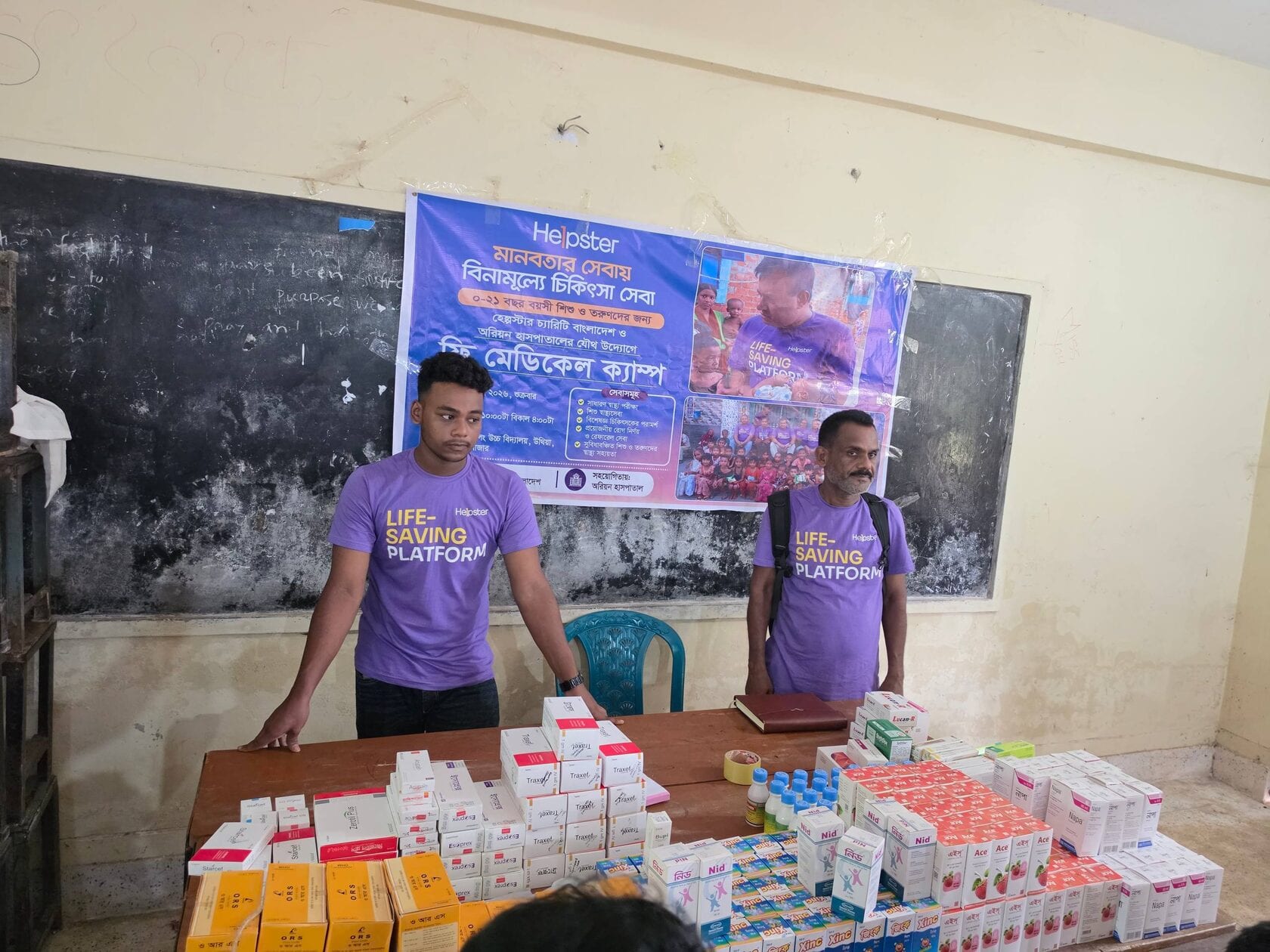
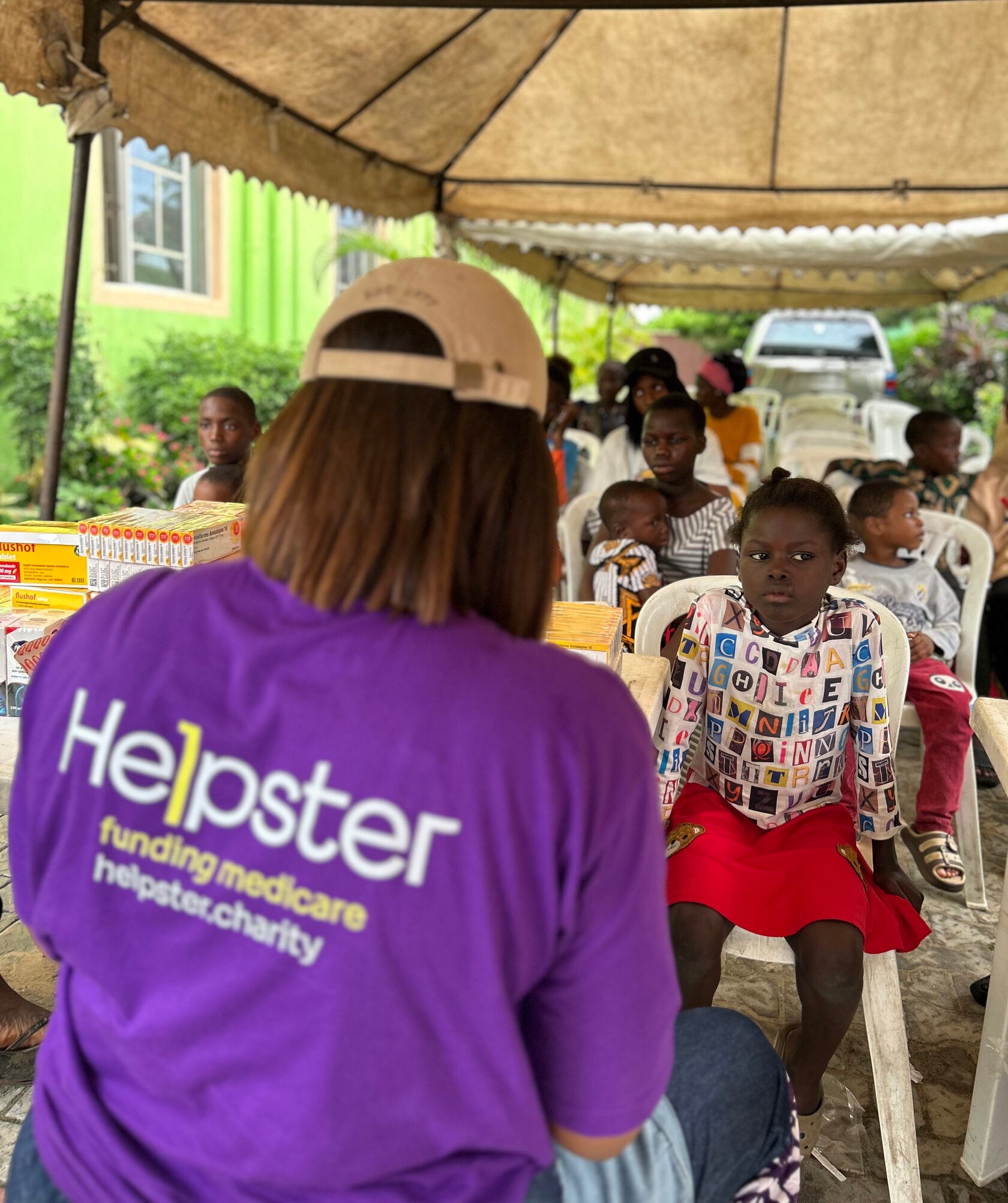
Cases come to us from partner hospitals, NGOs, and our own medical outreaches in vulnerable communities. That's the first barrier against fraud — we start from sources we already know and trust.

Our volunteers visit the family at home, check all the documents, and run a detailed poverty assessment, which covers criteria such as income, housing type, access to water and electricity, sanitation, and vehicle ownership.

Our in‑house doctors review the medical records, contact the hospital directly, and confirm that the diagnosis, treatment plan, and proposed cost all align.

Finally, our AI‑powered algorithm runs a final layer of checks — flagging any inconsistency between the medical history and the poverty assessment questionnaire, comparing the treatment plan and cost against regional averages, and running KYC on all parties involved.

By the time a case is approved for funding, it has passed through both people and technology at every stage. That's how we make sure your donation reaches a child who needs it most.

Can I support a specific child?

Yes. You can either choose a specific child to support, or let the algorithm match your donation to the most urgent open case.

To choose a child yourself, browse all open cases in our patient database and pick the one you'd like to help. Please note that donating to a specific child’s case is currently available only through our mobile app, which you can download here.

How do I see what my donation was spent on and the impact it made?

Full donation tracking is available in your profile in the Helpster app where you can follow the complete history of your donations and the impact they've made.

If you supported a specific child, their profile will appear in your account, so you can track their treatment progress from start to finish.

If you donated without choosing a child, your profile will show which cases your donation was automatically assigned to — by default, unassigned donations go to the most urgent open cases.

If you made a donation through the website but don't see it in your app profile, please email us at team@helpster.charity with your payment receipts, and we'll merge it into your account so you can track it.

I donated through the Helpster website. How can I track my donation?

We're actively working to bring donation tracking to the website too, but for now it's available in the app only. So to follow where your money went, you'll need to download the app and create an account.

If your website donation doesn't appear in your profile automatically, please email us at team@helpster.charity with your payment receipts, and we'll add it to your account.

How do you calculate the average cost of saving a life?

Helpster's average cost of saving a life is the total amount we've paid in hospital bills divided by the number of children treated.

This is why the number you see on our homepage isn't fixed. It updates regularly as we fund new cases, and it moves in both directions. Some cases cost as little as $30, while more complex or complicated ones run higher, so the average shifts over time.

What stays constant is that it always reflects what it genuinely costs us to save a child's life.

You say 100% of donations go to hospital bills — how is that possible?

At Helpster, we believe your donation should do only one thing — save a child's life. That’s why we allocate 100% of public donations to the payment of patients' hospital bills. You can be sure that not a cent of your money goes toward overhead, because Helpster's operating costs are covered separately — funded by a dedicated pool of private donors, not from public donations.

That said, all donations and transfers we make to hospitals are subject to bank transaction fees, payment system commissions, and currency conversion losses (4–6% in total), which are unrelated to Helpster's operations and, unfortunately, outside of our control.

Who funds Helpster's operating costs?

Our operating costs are covered by a dedicated pool of private donors and patrons, and these costs always remain entirely separate from public donations. They also stay at an industry-low level because Helpster runs on a small and efficient team supported by lean technology.

We guarantee that no portion of public donations goes toward overhead — that money is used solely to pay hospital bills. Every donor can verify this directly by tracking their donation in their account.

Is Helpster a registered charity?

Yes. Helpster operates through three independent, separately incorporated nonprofit organizations: Helpster Charity US Inc. (a U.S. 501(c)(3) nonprofit corporation), Helpster Charity Europe (registered in Estonia), and Helpster Charity Nigeria (registered in Nigeria). Each has its own board of directors, its own governance, and its own legal and financial accountability under the laws of its country of registration.

The three share the Helpster name, mission, and operating model, and cooperate as partner organizations — sharing case‑verification standards, technology, and reporting practices — so that donors anywhere in the world can support the same mission through the entity most relevant to their country of residence.

Are my donations tax-deductible?

Generally, yes. Below is a brief summary — but in every case, we recommend consulting your own tax advisor to confirm deductibility for your specific situation. We'll provide the relevant donation receipt or confirmation for your tax return.

Estonia
Helpster Charity Europe is included on the list of nonprofit associations, foundations, and religious associations approved by the Estonian Tax and Customs Board (Maksu- ja Tolliamet) for income tax incentives under the Estonian Income Tax Act.

For individuals: donations by Estonian tax residents are deductible from taxable income, subject to the statutory cap.

For companies: Estonian resident companies may deduct donations to Helpster Charity Europe from their corporate income tax base, subject to the statutory limits under the Estonian Income Tax Act.

Other EU countries
Donors resident in EU member states other than Estonia should consult their own national tax rules and tax advisor. Cross-border charitable deductions within the EU depend on your country of residence recognizing Helpster Charity Europe's public‑benefit status as equivalent to a domestic charity under that country's law.

If you're a US tax resident, you'll find all the relevant information on tax deductions on our US website.

Where can I find your annual reports?

Helpster's annual reports are published on our Transparency page.

But you don't have to wait until the end of the year to see how we're doing. Helpster was built on the principle of radical transparency, which means every case we fund is documented in our public database in real time — the diagnosis, the invoices, the receipts, and the treatment outcome. Anyone can check it, at any time.

What's the difference between Helpster’s website and mobile app?

You can donate through both, but the app offers considerably more functionality. The difference comes down to data protection: full medical records can only be made available to registered users, and registration is currently only possible in the app.

On the website, you can make a one‑time or recurring donation, browse the full list of children we're helping, and view part of their medical documentation.

Registering in the app lets you:

Donate to a specific child's case

See exactly where your money went and track your full impact in real time

Access each case's complete medical records, invoices, and receipts

Receive updates from the doctors and the child's family once treatment is complete

How do you prevent the money from being misused by hospitals or families?

Funds are never transferred to families directly. Instead, money goes straight to our trusted local hospitals, which have already passed our KYC, as payment for a specific child's medical bill.

On top of that, every hospital invoice is reviewed twice before payment — first by our in‑house medical team, who confirm the treatment plan and its cost against the medical records, and then by our AI‑powered anti‑fraud algorithm, which checks each cost against the regional average and verifies the invoice details (medications used, consumables, etc.) Anything that doesn't add up is flagged and reviewed before a single payment is made.

How does Helpster keep children safe and their information protected?

We have a formal Safeguarding & Anti‑Human Trafficking Policy that binds everyone connected to Helpster — staff, volunteers, partners, and suppliers. The policy is built on the UN Convention on the Rights of the Child, GDPR, and safeguarding standards from UNICEF and Save the Children.

Anyone working directly with children is background-checked before they start. Images, as well as medical and personal data, are handled under strict GDPR rules. We draw a clear line between private and public information.

Private data covers the personal details of everyone using the system — volunteers, staff, hospital representatives, and donors — as well as all patient data before verification: KYC materials, invoices, medical documents, and scoring. Access to this information is strictly limited by role.

Public data covers verified patients approved for fundraising. This information is deliberately public — visible in the mobile app and on our public portal — so that donors can see exactly who they're helping. It's only published after the case is verified and the child's legal guardians have given their written consent to publication. Personal data is also protected against copying.

How do I change or cancel my recurring donation?

You can adjust your monthly amount or cancel any time from your account page in the app, or by emailing team@helpster.charity. Cancellation takes effect immediately — no further payments are taken.

We all share the same sky